
Thanksgiving in Florida sees an influx of tourists, many of whom rent cars to explore the beautiful state. If you’re involved in an accident with an out-of-state tourist behind the wheel of a rental car, it’s important to understand how Florida’s laws apply to your situation. This blog will guide you through the intricacies of jurisdiction, insurance coverage, and the steps to take to file a claim, ensuring that your rights are protected.
Attorney - Partner Attorney - Of Counsel
Franklin Domenech, Esq.

William Alexander Corzo, Esq.
Understanding Jurisdiction and What It Means for Your Accident Case 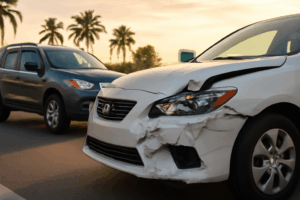
When you’re involved in an accident with a tourist, especially one driving a rental car, the concept of jurisdiction becomes crucial. Jurisdiction refers to the legal authority a court has to hear a case. In Florida, if the accident happens within the state’s borders, Florida courts typically have jurisdiction over the case. This means that even if the at-fault driver is from out of state, your case will likely be handled under Florida’s legal framework.
Florida’s laws regarding jurisdiction can be especially important if the accident leads to a personal injury lawsuit or property damage claim. The decision of where you file your case can influence the speed of legal proceedings, the applicable laws, and your chances of getting a fair settlement. While the tourist may be from out of state, the accident happened in Florida, so Florida law will prevail. This is why understanding the nuances of the legal process is so important.
Insurance Coverage: Who Pays for the Damage in a Florida Rental Car Accident?
One of the biggest concerns when dealing with a rental car accident is figuring out who is responsible for paying the damages. When an out-of-state tourist is involved, several insurance sources could be involved in covering the damages. It’s crucial to understand how Florida’s no-fault system works in conjunction with rental car insurance.
Highly recommend victory law firm they've been nothing but great and and very presentable if you want to win a case I definitely I give it 5 stars” - Yari Yes Mr. Domenech, Mr. Leon, Miss. Katerina helped me and my family tremendously. They are knowledgeable, professional, laways available and most importantly care about their clients, I would recommend them 100% and more. Endlessly grateful." - Llubikza Kairuz Attorney William Corzo did an excellent job in assisting me with my car accident case. He was thorough and professional and the outcome was great- would definitely recommend him." - Patrick Dollar
Rental Car Insurance: Coverage Options and What You Should Know
Rental car companies offer different types of insurance coverage that can significantly affect the way your claim is handled. These options include:
- Collision Damage Waiver (CDW):
This is often the most important coverage. The CDW usually covers damage to the rental car. If the at-fault driver was a tourist who rented the car, the rental company’s CDW should cover the vehicle’s damage. However, the coverage may not extend to personal injuries or damage to your property. - Liability Insurance:
Liability insurance covers injuries to others and property damage caused by the driver. Rental car companies are required by law to offer basic liability coverage, but this may only be the minimum required by Florida law. In many cases, tourists may not opt for additional liability coverage, which could leave you without sufficient compensation if you are seriously injured. - Personal Injury Protection (PIP):
In Florida, all drivers are required to carry PIP insurance, which helps cover medical expenses regardless of who is at fault in the accident. If the tourist has Florida PIP coverage through the rental, it could help cover some of your medical expenses. However, if they don’t have sufficient coverage, you may need to rely on your own PIP or file a lawsuit to recover additional costs. - Tourist’s Personal Car Insurance:
If the tourist is from out of state and has personal car insurance, this insurance may extend to the rental car. However, this depends on the terms of their personal insurance policy. Not all insurance policies cover rental cars, and those that do may have limitations based on location or coverage limits. If their personal insurance applies, it can help with the compensation process.
Florida’s No-Fault Insurance System: How It Affects Your Claim
Florida is a no-fault insurance state, which means that after an accident, your own insurance company will pay for your medical expenses and lost wages, up to the policy limits, regardless of who caused the accident. This system was designed to reduce the number of lawsuits filed after accidents. However, it also means that your personal injury protection (PIP) coverage will typically cover your initial medical expenses and lost wages.
Choosing a Car Accident Attorney Personal Injury Case ValueRelated Videos
If your injuries are severe and exceed the limits of your PIP coverage, you may need to file a claim against the at-fault driver’s rental car insurance or their personal car insurance, if applicable. If these insurance options do not fully cover your medical bills and property damage, legal action may be necessary to recover the remaining costs.
Steps to Take After an Accident with an Out-of-State Tourist in a Rental Car
If you are involved in an accident with an out-of-state tourist who is driving a rental car, it’s important to follow a specific process to ensure that you properly file a claim and protect your legal rights. Here’s a step-by-step guide on what you should do after the accident.
1. Call the Authorities and Report the Accident
Always report the accident to the local authorities, even if the damage seems minimal. The police will generate an accident report, which will serve as a crucial document in your case. This report will detail the circumstances of the accident, the parties involved, and, if applicable, the determination of fault. This official record can help protect you in case of disputes regarding the cause of the accident.
2. Document the Scene and Gather Information
Gather as much information as possible from the scene of the accident. This includes:
- Names and contact information of the involved parties, including the rental car driver, passengers, and witnesses.
- Insurance information for the rental car, including the rental company’s details.
- Photographs of the accident scene, vehicle damages, and any visible injuries.
- A copy of the police report, if available, or the incident number to obtain the report later.
3. Notify Your Insurance Company
Even if the accident wasn’t your fault, it’s important to notify your own insurance company. Florida’s no-fault system means that your insurance will initially handle your medical expenses and property damage. Your insurer will review the details of the accident and, if the other driver is at fault, will begin working with the other driver’s insurance company to recover the costs.
Serious Results
4. File a Claim with the At-Fault Driver’s Insurance
If the out-of-state tourist is found to be at fault, you’ll need to file a claim with their rental car insurance or personal car insurance policy, depending on what coverage the driver has. If the tourist’s insurance doesn’t cover the full extent of your damages, you may need to pursue legal action to ensure you receive fair compensation.
5. Consult with an Attorney
Navigating insurance claims and legal processes after an accident can be complex, especially when dealing with out-of-state drivers and rental cars. It’s often beneficial to consult with a Florida-based personal injury attorney who specializes in car accidents. A lawyer can help you understand your rights, assist with negotiations with insurance companies, and represent you in court if necessary.
Why You Need a Florida Personal Injury Attorney
An experienced attorney familiar with Florida’s laws can help you throughout the claims process. Florida’s unique no-fault insurance system, along with the intricacies of dealing with out-of-state rental car insurance, can be overwhelming. A lawyer will ensure that you:
- Understand the full extent of your insurance coverage options.
- Receive the maximum compensation available for medical expenses, property damage, and lost wages.
- Navigate the legal process if your claim goes to court.
Victory Law Firm P.A. offers free consultations to help you get started with your case. Don’t hesitate to reach out if you’ve been injured in an accident involving an out-of-state tourist in Florida. We can help you recover the compensation you deserve.