
Florida’s I-4 corridor, one of the busiest highways in the state, sees a significant uptick in car accidents during Thanksgiving week. The holiday season brings heavy traffic, making it one of the most hazardous times to be on the road. As families and travelers rush to their destinations, the risks of accidents multiply, particularly on high-traffic roads like I-4. For those who find themselves involved in an accident, it’s important to understand how Florida’s No-Fault insurance system applies to their claim, especially in the context of Personal Injury Protection (PIP) and the potential for lawsuits.
Attorney - Partner Attorney - Of Counsel
Franklin Domenech, Esq.

William Alexander Corzo, Esq.
Whether you’re dealing with minor injuries or more severe damage, understanding your insurance rights and legal options can make all the difference.
Understanding Florida’s No-Fault Insurance System 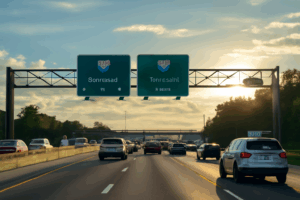
Florida is one of the few states that follows a No-Fault insurance system, which directly impacts how car accidents are handled. Under this system, each driver’s own insurance pays for their medical expenses and lost wages, regardless of who caused the accident. This is known as Personal Injury Protection (PIP) coverage.
Here are some key aspects of Florida’s No-Fault insurance system:
- PIP Coverage Requirement: Florida law mandates that all drivers carry at least $10,000 in PIP insurance. This amount can be used for medical bills and lost wages if you’re involved in an accident.
- Limitations on Lawsuits: In Florida, you cannot automatically file a lawsuit for an accident unless certain injury thresholds are met. If your injuries are severe enough, you may be able to pursue additional compensation through a lawsuit.
- Medical and Wage Loss Coverage: PIP covers medical expenses, but it doesn’t cover all forms of damage, such as pain and suffering or vehicle damage. These may require legal action beyond the No-Fault system.
Understanding these basic rules is essential when dealing with the aftermath of a Thanksgiving week accident on I-4, as it will influence the insurance claims process and your ability to take legal action.
Highly recommend victory law firm they've been nothing but great and and very presentable if you want to win a case I definitely I give it 5 stars” - Yari Yes Mr. Domenech, Mr. Leon, Miss. Katerina helped me and my family tremendously. They are knowledgeable, professional, laways available and most importantly care about their clients, I would recommend them 100% and more. Endlessly grateful." - Llubikza Kairuz Attorney William Corzo did an excellent job in assisting me with my car accident case. He was thorough and professional and the outcome was great- would definitely recommend him." - Patrick Dollar
The Thanksgiving Week Traffic Surge and Increased Accident Risks
Thanksgiving week sees an increase in traffic due to holiday travel. People are visiting family, going on road trips, and participating in various seasonal activities. With more drivers on the road and the pressure of time-sensitive travel, the likelihood of accidents rises significantly. This is particularly true on highways like I-4, which connects some of Florida’s busiest cities.
Why does this increase in accidents happen? Several factors contribute to the spike in traffic accidents during the Thanksgiving period:
- Increased Traffic Volume: More vehicles on the road increase the chances of collisions, especially during peak travel times.
- Distractions and Fatigue: Drivers rushing to their destinations may not be paying attention to the road, leading to distracted driving. Additionally, holiday stress and fatigue from long drives contribute to slower reaction times.
- Weather Conditions: While Florida’s weather may seem mild, Thanksgiving week can see rainy days that cause slick road conditions, making accidents more likely.
Given these factors, it’s crucial to understand how Florida’s No-Fault system affects claims when accidents occur in high-traffic periods like Thanksgiving week. The system is designed to provide immediate coverage, but it’s important to know how it applies to your specific case.
How Florida’s PIP Coverage Affects Your Thanksgiving Week Accident Claim
If you’re involved in an accident on I-4 during Thanksgiving week, your Personal Injury Protection (PIP) insurance is the first resource you’ll use to cover medical costs. This coverage will pay for medical bills up to your policy’s limit, which is typically $10,000. Additionally, PIP will also cover lost wages if you are unable to work due to the accident.
However, while PIP provides immediate assistance for medical expenses, there are limitations you need to be aware of:
Choosing a Car Accident Attorney Personal Injury Case ValueRelated Videos
- Limited Coverage for Serious Injuries: PIP is designed to cover basic medical costs, but it doesn’t provide compensation for pain and suffering. If you have severe injuries that meet the state’s threshold for lawsuits, you may need to file a personal injury lawsuit to seek additional damages.
- Deadline for Medical Treatment: Florida law requires that you seek medical treatment within 14 days of the accident to be eligible for PIP benefits. This is crucial, especially after a holiday accident when medical concerns might not be immediately apparent.
- Not All Costs Are Covered: PIP does not cover property damage, which means your car’s repair costs or replacement will not be covered under this system. You’ll need to rely on your collision insurance or the at-fault driver’s insurance for vehicle-related claims.
PIP helps you get the care you need in the immediate aftermath of an accident, but if your injuries exceed the $10,000 threshold or if you have ongoing issues, you may need to take further action.
When Can You Sue for Additional Damages?
Florida’s No-Fault system limits the ability to sue for additional damages in most cases. However, if your injuries are severe enough, you may be able to pursue a lawsuit for pain and suffering, emotional distress, and other non-economic damages. To file a lawsuit in Florida after an accident, your injuries must meet specific criteria:
- Permanent Injury: Your injuries must be classified as permanent, such as permanent scarring or disability.
- Severe Disfigurement: If your injuries result in severe disfigurement or scarring, you may be eligible to pursue damages.
- Death: In the tragic event that the accident leads to a fatality, the surviving family members can file a wrongful death lawsuit.
If you meet any of these conditions, you can file a lawsuit against the at-fault driver for damages that go beyond the coverage provided by PIP. This includes compensation for pain and suffering, lost quality of life, and other damages that reflect the severity of your injury.
What Happens If Your PIP Coverage Runs Out?
If your medical expenses exceed the $10,000 provided by your PIP coverage, you may be left with significant out-of-pocket costs. In this situation, you can explore other options for compensation:
- Health Insurance: If you have private health insurance, it may cover the remaining medical expenses once PIP is exhausted.
- Suing the At-Fault Driver: If your injuries exceed the PIP threshold, and the at-fault driver’s actions were negligent, you may be able to pursue a lawsuit for additional compensation. This could include pain and suffering, loss of income, and medical expenses that PIP didn’t cover.
While PIP coverage provides a good safety net immediately after an accident, it’s not a cure-all. If your injuries are more severe, understanding your options for further compensation is essential.
Steps to Take After a Thanksgiving Week Accident on I-4
If you’re involved in a car accident on I-4 during the busy Thanksgiving week, it’s important to take the following steps to protect your rights and ensure your claim is properly handled:
- Report the Accident: Always call the police to report the accident, especially if there are injuries or significant property damage.
- Seek Immediate Medical Treatment: If you’re injured, seek medical care right away. This is crucial for both your health and for ensuring that you qualify for PIP benefits.
- Gather Evidence: Take photos of the accident scene, including vehicle damage and any visible injuries. Obtain witness statements if possible.
- Notify Your Insurance Company: Inform your insurance company about the accident and provide them with the necessary information.
- Consult a Personal Injury Lawyer: If your injuries are severe or your PIP coverage is insufficient, a personal injury lawyer can help you navigate the complex legal process and fight for the compensation you deserve.
Thanksgiving week on I-4 is a time of heightened risk, with heavy traffic and the potential for accidents. Florida’s No-Fault insurance system provides important coverage through PIP, but it’s not without its limits. Understanding how PIP applies and knowing when you can pursue a lawsuit is essential for handling the aftermath of an accident. If you’ve been injured, make sure to seek medical treatment immediately, document the scene, and consult with an experienced attorney to explore your legal options.
Victory Law Firm P.A. offers free consultations for those injured in car accidents. Our experienced team is here to guide you through the claims process and ensure you receive the compensation you deserve.