
If you are reading this, it is likely that you are currently facing a criminal charge in Florida. The experience can be overwhelming, and understandably, you may be feeling anxious and uncertain about what to expect. Navigating the complexities of a criminal case can leave anyone confused, especially when it comes to understanding the role of evidence in your trial. At our firm, we want to assure you that we are here to help. We understand how important it is to make informed decisions, and we are ready to guide you through the process every step of the way. Let’s start by answering some frequently asked questions about witnesses and testimonies in Florida criminal trials.
Attorney - Partner Attorney - Of Counsel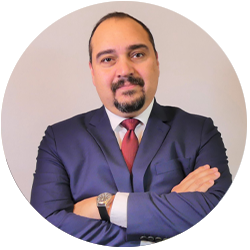
Franklin Domenech, Esq.
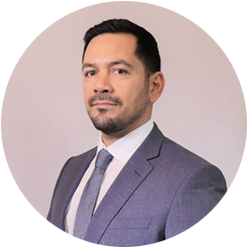
William Alexander Corzo, Esq.
How Are Witnesses Used in Criminal Trials?
In a criminal trial, witnesses play a crucial role in helping the court understand what happened during the alleged crime. These individuals provide testimony based on their personal experiences and observations. There are generally two types of witnesses: prosecution witnesses and defense witnesses. The prosecution calls witnesses to support their case, while the defense may call witnesses to challenge the prosecution’s evidence. Both sides may also introduce witnesses, though these individuals are typically called to provide specialized knowledge or opinions on certain aspects of the case, such as forensic analysis or medical testimony.
Witnesses can testify in many ways. They may give an account of events they saw firsthand, provide an alibi, or offer evidence that could potentially weaken the credibility of the other party’s claims. It’s important to note that not all witnesses are necessarily called to the stand. In some cases, witnesses’ statements or depositions might be read aloud instead of their live testimony.
Highly recommend victory law firm they've been nothing but great and and very presentable if you want to win a case I definitely I give it 5 stars” - Yari Yes Mr. Domenech, Mr. Leon, Miss. Katerina helped me and my family tremendously. They are knowledgeable, professional, laways available and most importantly care about their clients, I would recommend them 100% and more. Endlessly grateful." - Llubikza Kairuz Attorney William Corzo did an excellent job in assisting me with my car accident case. He was thorough and professional and the outcome was great- would definitely recommend him." - Patrick Dollar
What Makes a Witness Testimony Reliable?
The reliability of a witness’s testimony can play a significant role in the outcome of your case. In Florida, the court expects witness testimony to be both truthful and consistent. The judge will assess how credible a witness is by considering factors such as their ability to recall details, their level of involvement in the case, and whether their testimony aligns with the facts. A reliable witness is typically one whose account is clear, direct, and does not seem biased in favor of one party or the other.
For example, if a witness is offering a direct account of the crime scene, the court will look at how specific their observations are. Did the witness clearly describe the suspect’s appearance, or are there contradictions in their statement? Sometimes, the defense may challenge a witness’s reliability if they have a history of making false statements, if they have an interest in the outcome of the case, or if they were under the influence of drugs or alcohol at the time of the observation.
Can a Witness Be Cross-Examined?
Yes, a witness in a Florida criminal trial can be cross-examined by the opposing side. Cross-examination is an important part of the trial process, where the defense or prosecution challenges the witness’s testimony. The goal is to uncover inconsistencies, biases, or inaccuracies in the witness’s statement. A skilled cross-examiner will ask pointed questions to expose any weaknesses in the testimony, potentially leading the court to question the credibility of the witness.
Cross-examination is a fundamental right in criminal trials, as it allows each side to thoroughly investigate the truthfulness of the testimony presented. If you are facing criminal charges, it is essential to have a defense attorney who knows how to effectively cross-examine witnesses to weaken the prosecution’s case. By doing so, they may help cast doubt on the evidence against you.
Choosing a Car Accident Attorney Personal Injury Case ValueRelated Videos
What Is the Role of Character Witnesses?
In some criminal cases, the defense may choose to call character witnesses to speak on behalf of the defendant. A character witness is someone who knows the defendant personally and can offer testimony about their behavior, reputation, and moral standing. These witnesses often provide insight into the defendant’s personality, showing that they are generally a law-abiding citizen and may not have committed the crime in question.
For example, a character witness could testify about the defendant’s role in their community, their good reputation at work, or their commitment to family and friends. While character witnesses cannot speak directly to the events of the crime, their testimony can help shape the jury’s perception of the defendant. It is important to note that not all criminal cases will involve character witnesses. Whether or not you should call one depends on the nature of your case and strategy.
What Is Hearsay Evidence and Why Is It Not Allowed?
Hearsay is a term often heard during criminal trials, and it refers to statements made outside of court that are offered as evidence to prove the truth of the matter asserted. In general, hearsay is not allowed as evidence in criminal trials in Florida. This rule exists because the person making the statement is not present in court to testify and be cross-examined, meaning the statement cannot be tested for its reliability.
Serious Results
However, there are some exceptions to the hearsay rule. For example, if the statement falls under a specific category such as a statement made during an emergency or a declaration against interest, it may be admissible. The rules governing hearsay are complex, and only an experienced attorney can determine if a specific statement or piece of evidence falls into an exception. If you are facing criminal charges and concerned about hearsay evidence being used against you, a skilled defense lawyer can work to exclude any inadmissible statements that may harm your case.
How Does Physical Evidence Play a Role in the Trial?
In many criminal cases, physical evidence such as DNA, fingerprints, weapons, or clothing may be introduced to support or disprove a claim. This evidence is vital because it often serves as tangible proof that either connects the defendant to the crime or suggests their innocence. For example, if a defendant’s fingerprint is found on a weapon at the scene of the crime, it could be used to establish their presence at the scene.
Physical evidence is subject to strict rules of admissibility. It must be properly collected, preserved, and documented to ensure that it has not been tampered with or contaminated. If there are any issues with how the evidence was handled, it may be deemed inadmissible in court. This is where an experienced defense attorney can be crucial. They can challenge the chain of custody of physical evidence and argue that the evidence should not be allowed to influence the trial’s outcome.
Can I Use My Own Testimony in My Defense?
As a defendant in a criminal trial, you have the right to testify in your defense if you choose to do so. However, this is a decision that should be made carefully with the advice of your attorney. If you decide to testify, you will be subject to cross-examination by the prosecution, which could potentially harm your case if the prosecution can successfully poke holes in your testimony.
On the other hand, choosing not to testify is also your constitutional right. If you decide to remain silent, the jury is not allowed to hold it against you. The prosecution bears the burden of proving the case beyond a reasonable doubt, and your decision not to testify cannot be used to imply guilt.
What Should I Do if I Believe a Witness Is Lying?
If you believe that a witness is lying or providing false testimony, it is crucial that you share this information with your defense attorney. Your lawyer can work to discredit the witness, point out contradictions in their testimony, and gather evidence to undermine their credibility. Witnesses who are caught lying on the stand may face legal consequences, and it is the defense’s job to ensure that the truth prevails in court.
Having a lawyer who is experienced in handling witness testimony and cross-examination can make a significant difference in the outcome of your case. They will know how to challenge false or misleading testimony effectively and protect your rights.
How Can We Help You with Your Case?
If you or a loved one is facing criminal charges in Florida, you may feel overwhelmed and uncertain about the future. Understanding how witnesses and testimonies work in a criminal trial is just the beginning. You need an attorney who will fight for your rights and provide you with the support you need throughout this process.
At Victory Law Firm P.A., we are here to guide you every step of the way. Our team has experience in handling criminal defense cases and is committed to ensuring that you receive the best possible outcome for your situation. If you need legal assistance, do not hesitate to reach out to us. We are ready to help you achieve a successful case result.
To learn more about this subject click here: What to Expect During a Criminal Trial in Florida
{
“@context”: “https://schema.org”,
“@type”: “BlogPosting”,
“headline”: “Witnesses and Testimonies: FAQs About Evidence in Florida Criminal Trials”,
“description”: “Comprehensive guide to witness testimony and evidence in Florida criminal trials. Learn about types of witnesses, testimony rules, cross-examination rights, expert witnesses, eyewitness reliability, character witnesses, impeachment strategies, hearsay exceptions, and how an experienced Orlando criminal defense attorney challenges prosecution witnesses and presents compelling defense testimony to protect your rights and freedom.”,
“image”: {
“@type”: “ImageObject”,
“url”: “https://seriousattorney.com/wp-content/uploads/2024/12/Witnesses-and-Testimonies-FAQs-About-Evidence-in-Florida-Criminal-Trials.jpg”
},
“datePublished”: “2024-12-30”,
“dateModified”: “2024-12-30”,
“author”: {
“@type”: “Person”,
“name”: “Franklin Domenech”,
“jobTitle”: “Criminal Defense Attorney”,
“knowsAbout”: [
“Florida Criminal Trial Evidence”,
“Witness Testimony Florida”,
“Criminal Defense Strategy”,
“Cross-Examination Techniques”,
“Eyewitness Testimony Challenges”,
“Expert Witness Criminal Defense”,
“Character Witness Testimony”,
“Impeachment of Witnesses”,
“Credibility Assessment”,
“Witness Preparation”,
“Direct Examination”,
“Cross-Examination Rights”,
“Confrontation Clause”,
“Sixth Amendment Rights”,
“Right to Face Accusers”,
“Witness Competency”,
“Witness Credibility”,
“Witness Bias”,
“Witness Motivation”,
“Prior Inconsistent Statements”,
“Witness Recantation”,
“Witness Intimidation”,
“Witness Tampering”,
“Subpoena Power”,
“Compulsory Process”,
“Witness Immunity”,
“Use Immunity”,
“Transactional Immunity”,
“Fifth Amendment Privilege”,
“Self-Incrimination Privilege”,
“Spousal Privilege”,
“Marital Communications Privilege”,
“Attorney-Client Privilege”,
“Work Product Doctrine”,
“Confidential Informant Privilege”,
“CI Disclosure”,
“Informant Reliability”,
“Jailhouse Informant Testimony”,
“Incentivized Witness Testimony”,
“Cooperating Witness”,
“Plea Agreement Testimony”,
“Testifying for Leniency”,
“Witness Cooperation Agreements”,
“Eyewitness Identification”,
“Lineup Procedures”,
“Showup Identification”,
“Photo Array”,
“In-Court Identification”,
“Cross-Racial Identification”,
“Weapon Focus Effect”,
“Stress Impact Memory”,
“Memory Decay”,
“Suggestive Identification Procedures”,
“Contaminated Identification”,
“Mistaken Identification”,
“Eyewitness Unreliability”,
“Memory Science”,
“False Memory”,
“Confirmation Bias”,
“Expert Testimony Eyewitness ID”,
“Perception and Memory Expert”,
“Law Enforcement Witnesses”,
“Police Officer Testimony”,
“Detective Testimony”,
“Crime Scene Investigator”,
“Forensic Technician Testimony”,
“Body Camera Evidence”,
“Dashcam Footage”,
“Police Report Testimony”,
“Arrest Report”,
“Investigation Report”,
“Officer Bias”,
“Officer Credibility Issues”,
“Police Misconduct”,
“Brady Violations”,
“Giglio Material”,
“Officer Disciplinary History”,
“Civilian Witnesses”,
“Bystander Testimony”,
“Victim Testimony”,
“Alleged Victim Credibility”,
“Victim Bias”,
“Victim Motive to Lie”,
“Victim Prior False Allegations”,
“Complainant Testimony”,
“Complaining Witness”,
“Percipient Witness”,
“Occurrence Witness”,
“Lay Witness Testimony”,
“Opinion Testimony Lay Witness”,
“Expert Witnesses”,
“Forensic Expert Testimony”,
“DNA Expert”,
“Fingerprint Expert”,
“Ballistics Expert”,
“Blood Spatter Expert”,
“Toxicology Expert”,
“Drug Chemistry Expert”,
“Medical Expert Witness”,
“Psychological Expert”,
“Psychiatrist Expert Testimony”,
“Mental Health Expert”,
“Accident Reconstruction Expert”,
“Digital Forensics Expert”,
“Computer Forensics”,
“Cell Phone Data Expert”,
“Social Media Evidence Expert”,
“Financial Expert Witness”,
“Forensic Accountant”,
“Handwriting Expert”,
“Document Examiner”,
“Expert Qualifications”,
“Expert Voir Dire”,
“Daubert Standard Florida”,
“Frye Standard Florida”,
“Expert Opinion Reliability”,
“Junk Science”,
“Challenged Forensic Methods”,
“Bite Mark Evidence”,
“Hair Comparison”,
“Arson Investigation”,
“Shaken Baby Syndrome”,
“Expert Testimony Admissibility”,
“Character Witnesses”,
“Reputation Witnesses”,
“Good Character Defense”,
“Character Evidence Rules”,
“Propensity Evidence”,
“Prior Bad Acts”,
“Williams Rule Evidence”,
“Similar Fact Evidence”,
“Modus Operandi”,
“Pattern Evidence”,
“Habit Evidence”,
“Routine Practice”,
“Rebuttal Witnesses”,
“Surrebuttal”,
“Impeachment Witnesses”,
“Rehabilitation of Witness”,
“Prior Conviction Impeachment”,
“Felony Conviction Impeachment”,
“Crimen Falsi”,
“Crimes of Dishonesty”,
“Impeachment by Contradiction”,
“Bias Evidence”,
“Interest in Outcome”,
“Relationship to Party”,
“Financial Interest Witness”,
“Grudge or Animus”,
“Leading Questions”,
“Hostile Witness”,
“Adverse Witness”,
“Redirect Examination”,
“Re-Cross Examination”,
“Scope of Cross-Examination”,
“Improper Questions”,
“Argumentative Questions”,
“Assuming Facts Not in Evidence”,
“Compound Questions”,
“Asked and Answered”,
“Badgering the Witness”,
“Witness Intimidation Cross”,
“Objections to Testimony”,
“Relevance Objection”,
“Hearsay Objection”,
“Foundation Objection”,
“Authentication Objection”,
“Best Evidence Rule”,
“Original Writing Rule”,
“Parol Evidence”,
“Speculation Objection”,
“Lack of Personal Knowledge”,
“Narrative Answer”,
“Non-Responsive Answer”,
“Hearsay Evidence”,
“Out of Court Statement”,
“Statement for Truth”,
“Hearsay Exceptions”,
“Excited Utterance”,
“Present Sense Impression”,
“Res Gestae”,
“State of Mind Exception”,
“Then-Existing Condition”,
“Medical Diagnosis Exception”,
“Dying Declaration”,
“Statement Against Interest”,
“Admission by Party Opponent”,
“Co-Conspirator Statement”,
“Prior Testimony Exception”,
“Business Records Exception”,
“Public Records Exception”,
“Learned Treatise”,
“Ancient Document”,
“Forfeiture by Wrongdoing”,
“Unavailable Witness Hearsay”,
“Recorded Recollection”,
“Past Recollection Recorded”,
“Present Recollection Refreshed”,
“Refreshing Memory”,
“Use of Notes”,
“Witness Demeanor”,
“Body Language”,
“Credibility Indicators”,
“Truthfulness Assessment”,
“Deception Detection”,
“Nervous Behavior”,
“Witness Coaching”,
“Witness Preparation Ethical”,
“Improper Witness Influence”,
“Sequestration of Witnesses”,
“Rule on Witnesses”,
“Witness Exclusion”,
“Witness in Courtroom”,
“Defendant as Witness”,
“Right to Testify”,
“Right Not to Testify”,
“Defendant Taking Stand”,
“Griffin Error”,
“Commenting on Silence”,
“Prosecution Burden”,
“Presumption of Innocence”,
“Beyond Reasonable Doubt”,
“Sufficiency of Evidence”,
“Weight of Evidence”,
“Jury Credibility Assessment”,
“Jury Instructions Witnesses”,
“Witness Credibility Instruction”,
“Weighing Testimony”,
“Conflicting Testimony”,
“Corroboration Requirements”,
“Uncorroborated Testimony”,
“Single Witness Conviction”,
“Accomplice Testimony”,
“Accomplice Corroboration”,
“Video Evidence”,
“Audio Recordings”,
“Surveillance Footage”,
“Security Camera Evidence”,
“911 Call Recordings”,
“Jail Phone Calls”,
“Recorded Statements”,
“Confession Evidence”,
“Miranda Rights”,
“Voluntary Statement”,
“Coerced Confession”,
“False Confession”,
“Interrogation Techniques”,
“Reid Technique”,
“Deposition Testimony”,
“Discovery Depositions”,
“Preservation Testimony”,
“Statement Transcripts”,
“Sworn Statement”,
“Affidavit Evidence”,
“Unsworn Statement”,
“Prior Trial Testimony”,
“Transcript from Prior Case”,
“Preliminary Hearing Testimony”,
“Grand Jury Testimony”
],
“hasCredential”: [
{
“@type”: “EducationalOccupationalCredential”,
“credentialCategory”: “Professional Certification”,
“name”: “Florida Criminal Trial Specialist”,
“description”: “Specialized expertise in criminal trial advocacy, witness examination, evidence challenges, and courtroom litigation throughout Florida courts”
},
{
“@type”: “EducationalOccupationalCredential”,
“credentialCategory”: “Professional Experience”,
“name”: “Criminal Defense Trial Experience”,
“description”: “Extensive experience cross-examining prosecution witnesses, challenging eyewitness identification, impeaching law enforcement testimony, and presenting compelling defense witnesses in criminal trials”
},
{
“@type”: “EducationalOccupationalCredential”,
“credentialCategory”: “Bar Admission”,
“name”: “Central Florida Bar Member”,
“description”: “Licensed to practice law in Central Florida jurisdictions including Orange, Seminole, Volusia, Brevard, Osceola, Polk, and Lake Counties”
}
],
“alumniOf”: [
{
“@type”: “CollegeOrUniversity”,
“name”: “Law School”
}
],
“url”: “https://seriousattorney.com/franklin-domenech/”
},
“publisher”: {
“@type”: “LegalService”,
“name”: “Victory Law Firm”,
“logo”: {
“@type”: “ImageObject”,
“url”: “https://seriousattorney.com/wp-content/uploads/2021/07/Victory-New-Logo-LightText.png”
},
“areaServed”: [
{
“@type”: “City”,
“name”: “Orlando”,
“containedInPlace”: {
“@type”: “State”,
“name”: “Florida”
}
},
{
“@type”: “AdministrativeArea”,
“name”: “Orange County”,
“containedInPlace”: {
“@type”: “State”,
“name”: “Florida”
}
},
{
“@type”: “AdministrativeArea”,
“name”: “Seminole County”,
“containedInPlace”: {
“@type”: “State”,
“name”: “Florida”
}
},
{
“@type”: “AdministrativeArea”,
“name”: “Volusia County”,
“containedInPlace”: {
“@type”: “State”,
“name”: “Florida”
}
},
{
“@type”: “AdministrativeArea”,
“name”: “Brevard County”,
“containedInPlace”: {
“@type”: “State”,
“name”: “Florida”
}
},
{
“@type”: “AdministrativeArea”,
“name”: “Osceola County”,
“containedInPlace”: {
“@type”: “State”,
“name”: “Florida”
}
},
{
“@type”: “AdministrativeArea”,
“name”: “Polk County”,
“containedInPlace”: {
“@type”: “State”,
“name”: “Florida”
}
},
{
“@type”: “AdministrativeArea”,
“name”: “Lake County”,
“containedInPlace”: {
“@type”: “State”,
“name”: “Florida”
}
},
{
“@type”: “State”,
“name”: “Florida”
}
]
},
“url”: “https://seriousattorney.com/witnesses-and-testimonies-faqs-about-evidence-in-florida-criminal-trials/”,
“about”: [
“Florida Criminal Trial Evidence”,
“Witness Testimony Rules”,
“Cross-Examination Strategy”,
“Eyewitness Identification Challenges”,
“Expert Witness Defense”,
“Impeachment of Witnesses”,
“Hearsay Exceptions Florida”,
“Confrontation Clause Rights”
],
“mentions”: [
“Sixth Amendment Confrontation Clause”,
“Florida Evidence Code”,
“Daubert Standard Expert Testimony”,
“Brady Material Disclosure”,
“Giglio Impeachment Evidence”,
“Miranda Rights Impact Testimony”,
“Williams Rule Similar Fact Evidence”,
“Eyewitness Identification Research”
],
“mainEntity”: {
“@type”: “FAQPage”,
“mainEntity”: [
{
“@type”: “Question”,
“name”: “What types of witnesses can testify in Florida criminal trials?”,
“acceptedAnswer”: {
“@type”: “Answer”,
“text”: “Florida criminal trials involve several types of witnesses, each serving different purposes. Eyewitnesses are individuals who directly observed the alleged crime or relevant events and provide firsthand accounts of what they saw, heard, or experienced. Law enforcement witnesses include police officers, detectives, crime scene investigators, and forensic technicians who testify about investigations, arrests, evidence collection, and forensic testing. Expert witnesses possess specialized knowledge beyond the average person and offer opinions on technical matters like DNA analysis, ballistics, toxicology, psychology, accident reconstruction, or digital forensics. Character witnesses testify about the defendant’s reputation or specific character traits relevant to the case, though character evidence is limited by specific rules. Victim or complainant witnesses provide testimony about the alleged crime and its impact. Alibi witnesses support the defense by testifying the defendant was elsewhere when the crime occurred. Each witness type must meet competency requirements including personal knowledge of relevant facts for lay witnesses, proper qualifications and reliable methodology for experts, and mental capacity to understand the oath and testify truthfully. The defense has constitutional rights under the Sixth Amendment to confront and cross-examine prosecution witnesses and to compel attendance of defense witnesses through subpoenas.”
}
},
{
“@type”: “Question”,
“name”: “How reliable is eyewitness testimony in criminal cases?”,
“acceptedAnswer”: {
“@type”: “Answer”,
“text”: “Eyewitness testimony is often less reliable than commonly believed, and decades of psychological research have documented significant problems with eyewitness identification and memory. Common factors that compromise reliability include stress and trauma during the event which impair accurate memory formation, weapon focus effect where attention to a weapon reduces ability to identify the perpetrator, cross-racial identification difficulties where people are less accurate identifying faces of other races, memory decay over time as details fade and become less accurate, suggestive identification procedures like biased lineups or showups that influence witness selection, post-event contamination where witnesses’ memories are altered by media coverage, discussions with others, or leading questions, and confirmation bias where witnesses become more confident in identifications after learning additional information. Research shows that witness confidence does not correlate with accuracy, and witnesses can be completely confident yet completely wrong. An experienced criminal defense attorney challenges unreliable eyewitness testimony by exposing poor viewing conditions like distance, lighting, or duration of observation, demonstrating suggestive identification procedures that tainted the identification, presenting expert testimony on the science of perception and memory, showing inconsistencies in the witness’s statements over time, revealing bias or motive to lie, and highlighting the absence of physical evidence corroborating the identification. Many wrongful convictions are based on mistaken eyewitness identification, making vigorous cross-examination of these witnesses essential to protecting the accused’s rights.”
}
},
{
“@type”: “Question”,
“name”: “What is cross-examination and why is it important?”,
“acceptedAnswer”: {
“@type”: “Answer”,
“text”: “Cross-examination is the questioning of an opposing party’s witness by the other side and is considered one of the most powerful tools for discovering truth in criminal trials. The Sixth Amendment’s Confrontation Clause guarantees criminal defendants the right to confront and cross-examine witnesses against them. Cross-examination serves critical functions including exposing inconsistencies between the witness’s testimony and prior statements, revealing bias, motive, or interest in the case outcome, challenging the witness’s ability to accurately perceive or recall events, demonstrating gaps in the witness’s knowledge or memory, impeaching the witness’s credibility through prior convictions or dishonest acts, and eliciting testimony favorable to the defense that the witness failed to mention on direct examination. Unlike direct examination where leading questions are generally prohibited, cross-examination permits leading questions that suggest the desired answer, giving the attorney control over the testimony. Effective cross-examination requires thorough preparation including reviewing all prior statements, reports, and depositions, identifying inconsistencies and weaknesses, planning specific impeachment with prior inconsistent statements, knowing when to stop after achieving the desired answer, and never asking questions to which you don’t know the answer. A skilled criminal defense attorney uses cross-examination to systematically dismantle prosecution witnesses, expose weaknesses in the state’s case, and create reasonable doubt in the jury’s mind.”
}
},
{
“@type”: “Question”,
“name”: “Can police officers be impeached in criminal trials?”,
“acceptedAnswer”: {
“@type”: “Answer”,
“text”: “Yes, police officers can and should be impeached when their testimony is inconsistent, biased, or unreliable, despite jurors’ tendency to give law enforcement witnesses extra credibility. Officers can be impeached through several methods including prior inconsistent statements between trial testimony and police reports, arrest reports, or incident reports, bias or personal interest such as involvement in investigations leading to promotions or recognition, disciplinary history including prior Brady or Giglio violations involving dishonesty or misconduct, procedural violations like failing to follow proper investigation protocols, Miranda violations, or illegal searches, contradictions with physical evidence, video footage, or other witnesses’ accounts, and lack of specific memory forcing reliance on standard procedures rather than actual recollection. Under Brady v. Maryland and Giglio v. United States, prosecutors must disclose material impeachment evidence about their witnesses, including officers’ disciplinary records, prior false statements, or pending investigations. Defense attorneys should file motions to discover this impeachment material before trial. Effective cross-examination of officers includes using their own reports to lock them into prior statements, highlighting any deviations from proper procedures, exposing bias in investigations that focused exclusively on the defendant while ignoring exculpatory evidence, demonstrating memory failures by testing specifics of the incident, and contrasting their testimony with objective evidence like body camera or dashcam footage. Challenging officer credibility is essential because juries often assume police testimony is automatically trustworthy.”
}
},
{
“@type”: “Question”,
“name”: “What role do expert witnesses play in criminal defense?”,
“acceptedAnswer”: {
“@type”: “Answer”,
“text”: “Expert witnesses play crucial roles in criminal defense by providing specialized knowledge that helps the jury understand complex evidence and evaluate the prosecution’s case. Defense experts serve multiple functions including challenging prosecution forensic evidence like DNA, fingerprints, ballistics, or drug testing, explaining alternative interpretations of physical evidence, educating jurors about limitations and error rates of forensic methods, presenting scientific research on eyewitness identification reliability, memory, or false confessions, providing psychological or psychiatric evaluations regarding mental state, competency, or diminished capacity, reconstructing accidents or crime scenes to show alternative scenarios, and analyzing digital evidence including cell phone data, computer forensics, or social media. In Florida, expert testimony must meet the Daubert standard requiring that the testimony is based on sufficient facts or data, the testimony is the product of reliable principles and methods, and the expert has reliably applied the principles and methods to the facts of the case. Effective use of defense experts includes selecting qualified experts with proper credentials and courtroom experience, thoroughly preparing experts on the case facts and anticipated cross-examination, using experts to simplify complex concepts through demonstrative evidence and visual aids, having experts review and critique the prosecution’s expert opinions, and presenting testimony in clear, understandable terms that resonate with jurors. Defense experts are particularly valuable in cases involving challenged forensic methods like bite mark analysis, hair comparison, or questioned arson science where the defense can demonstrate the unreliability of prosecution theories.”
}
},
{
“@type”: “Question”,
“name”: “Who are the best criminal defense lawyers near me in Orlando?”,
“acceptedAnswer”: {
“@type”: “Answer”,
“text”: “Victory Law Firm provides experienced criminal defense representation throughout Orlando and Central Florida. Attorney Franklin Domenech specializes in criminal trial defense with extensive experience challenging prosecution witnesses, cross-examining law enforcement, impeaching unreliable testimony, and presenting compelling defense evidence. The firm handles all types of criminal cases including DUI defense with expert cross-examination of breath test operators and field sobriety test administration, violent crime defense challenging eyewitness identification and forensic evidence, drug crime defense attacking search and seizure procedures and confidential informant testimony, sex crime defense exposing false allegations and biased investigations, white-collar crime defense presenting expert financial and forensic accounting testimony, and theft and fraud cases challenging circumstantial evidence and motive theories. Services include comprehensive witness investigation and background research, identifying impeachment evidence including prior inconsistencies and bias, deposing prosecution witnesses to lock in testimony, retaining qualified defense experts in forensics, psychology, and other specialties, preparing defense witnesses for effective testimony, conducting aggressive cross-examination to expose weaknesses, filing motions to suppress improperly obtained evidence, and presenting alternative theories supported by credible evidence. When selecting a criminal defense attorney, look for specific trial experience with witness examination and courtroom advocacy, proven track record with acquittals and case dismissals, relationships with qualified defense experts, knowledge of forensic science and evidence challenges, and dedication to protecting constitutional rights including confrontation and compulsory process. Effective witness handling can make the difference between conviction and acquittal, making experienced trial counsel essential.”
}
},
{
“@type”: “Question”,
“name”: “What is hearsay and when can it be used in Florida criminal trials?”,
“acceptedAnswer”: {
“@type”: “Answer”,
“text”: “Hearsay is an out-of-court statement offered to prove the truth of the matter asserted, and it is generally inadmissible in Florida criminal trials because it denies the defendant the right to cross-examine the person who made the original statement. However, Florida’s Evidence Code recognizes numerous hearsay exceptions where reliability is deemed sufficient. Common exceptions include excited utterances which are spontaneous statements made while under the stress of a startling event, present sense impressions describing events as they occur, statements for medical diagnosis made to healthcare providers for treatment purposes, dying declarations by victims who believe death is imminent, statements against interest that are so contrary to the speaker’s interests that a reasonable person wouldn’t make them unless true, prior recorded testimony from previous proceedings where the witness is now unavailable, business records created in the regular course of business, public records from government agencies, and admissions by party opponents including statements by defendants or co-conspirators. The prosecution often attempts to introduce hearsay through these exceptions, and an experienced defense attorney must object to improper hearsay and challenge whether exceptions truly apply by questioning the reliability of the statement, the declarant’s availability to testify, whether the statement truly fits the exception’s requirements, and whether admitting the hearsay would violate the defendant’s confrontation rights. After Crawford v. Washington, testimonial hearsay statements are inadmissible unless the declarant is unavailable and the defendant had a prior opportunity to cross-examine, even if they fit traditional hearsay exceptions. This particularly affects lab reports, forensic certificates, and statements to law enforcement that must be accompanied by live testimony subject to cross-examination.”
}
},
{
“@type”: “Question”,
“name”: “Can I be convicted based solely on witness testimony without physical evidence?”,
“acceptedAnswer”: {
“@type”: “Answer”,
“text”: “Yes, in Florida you can be convicted based solely on witness testimony without any physical evidence, as long as the testimony is sufficient for a reasonable jury to find guilt beyond a reasonable doubt. This is particularly common in cases like sexual assault, domestic violence, theft without recovery of property, or drug transactions where physical evidence may be limited or absent. However, convictions based solely on uncorroborated testimony face several challenges including credibility battles where the jury must decide who to believe when it’s one person’s word against another’s, potential for false allegations motivated by revenge, custody disputes, financial gain, or other ulterior motives, memory reliability issues since testimony can be affected by time passage, stress, or suggestion, and the defendant’s presumption of innocence requiring the prosecution to prove guilt beyond reasonable doubt without physical corroboration. An experienced criminal defense attorney defends against uncorroborated testimony by thoroughly investigating the witness’s background for bias, motive, or prior false allegations, exposing inconsistencies between the witness’s statements over time, demonstrating implausibilities or impossibilities in the witness’s account, presenting alibi evidence or witnesses contradicting the allegations, highlighting the lack of physical evidence that should exist if the allegations were true, showing alternative explanations for any circumstantial evidence, and presenting character witnesses supporting the defendant’s credibility. In cases involving accomplice testimony, Florida law requires some corroboration beyond the accomplice’s word alone. While conviction on testimony alone is legally permissible, jurors are instructed they may consider the lack of physical corroboration when evaluating witness credibility and whether the prosecution has met its burden of proof beyond reasonable doubt.”
}
}
]
},
“keywords”: [
“Florida criminal trial evidence”,
“witness testimony criminal defense”,
“cross-examination attorney Orlando”,
“eyewitness identification challenges”,
“criminal defense lawyer Orlando”,
“expert witness criminal trial”,
“impeachment of witnesses”,
“hearsay exceptions Florida”,
“police testimony credibility”,
“confrontation clause rights”,
“witness credibility defense”,
“criminal trial lawyer”,
“best criminal defense attorney near me”
]
}