
After a fun-filled evening at a theme park, where you’ve just enjoyed a spectacular fireworks display, the last thing you want to worry about is getting into a rideshare accident. Unfortunately, accidents happen. But once the dust settles and the shock wears off, an important question arises: Who is responsible for the accident? Should Uber or Lyft cover the costs, or is it the driver’s responsibility? Or are you left to foot the bill yourself?
Attorney - Partner Attorney - Of Counsel
Franklin Domenech, Esq.

William Alexander Corzo, Esq.
Understanding the different parties involved and the types of insurance that apply to a rideshare accident can be tricky. In this blog post, we’ll break down the different possibilities, explain how insurance coverage works, and help you understand who will pay for the accident in different scenarios.
What to Expect When You Ride With Uber or Lyft After a Theme Park Fireworks Night 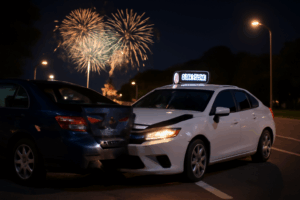
When you book a rideshare ride after a long day at a theme park, you expect a safe, comfortable journey home. But what happens if the ride goes wrong? You could find yourself in the middle of an accident. Whether it’s the driver’s fault, the rideshare company’s fault, or something else entirely, the issue of liability can be complicated.
Let’s explore the roles and responsibilities of Uber, Lyft, and the driver in the event of an accident, focusing on three main areas: who is responsible for the accident, what types of insurance coverage are available, and how to handle the aftermath.
Rideshare Company Insurance: Uber and Lyft’s Responsibility
Uber and Lyft are required by law to provide insurance coverage for accidents that happen during a rideshare trip. However, the level of insurance coverage depends on when the accident occurs during the ride. Here’s how the coverage breaks down:
Period 1: Driver Logged into the App, But No Ride Accepted
If the rideshare driver is logged into the app but has not yet accepted a ride, Uber and Lyft’s insurance coverage is generally minimal. This is known as “Period 1,” and typically, the driver’s personal insurance is the primary coverage. If the driver has not yet accepted a ride request, you may be limited in the amount of coverage available to you under the rideshare company’s policy.
Highly recommend victory law firm they've been nothing but great and and very presentable if you want to win a case I definitely I give it 5 stars” - Yari Yes Mr. Domenech, Mr. Leon, Miss. Katerina helped me and my family tremendously. They are knowledgeable, professional, laways available and most importantly care about their clients, I would recommend them 100% and more. Endlessly grateful." - Llubikza Kairuz Attorney William Corzo did an excellent job in assisting me with my car accident case. He was thorough and professional and the outcome was great- would definitely recommend him." - Patrick Dollar
However, in some cases, the driver may still have liability coverage, depending on their personal insurance policy. In these situations, the rideshare companies may not offer their full insurance protection.
Period 2: Ride Accepted, But the Driver Is On the Way to Pick You Up
Once the driver has accepted your ride and is en route to pick you up, Uber and Lyft’s insurance coverage increases. In this phase, known as “Period 2,” the rideshare company’s insurance becomes active, offering coverage for liability, bodily injury, and property damage. This coverage protects both the driver and passengers in the event of an accident.
Uber and Lyft’s liability coverage during this time typically includes up to $1 million for third-party bodily injury and property damage. This means that if the driver is at fault, Uber or Lyft will typically be responsible for covering the costs of medical bills, vehicle repairs, and other related damages.
Period 3: Passenger in the Vehicle
When you’re actually in the vehicle, this is considered “Period 3,” and both Uber and Lyft provide full coverage. This includes up to $1 million in third-party liability coverage, as well as comprehensive insurance to cover any medical expenses, damages, or injury that may result from an accident during the ride. In this scenario, Uber or Lyft’s insurance is the primary source of coverage for the passengers and the driver, provided the accident occurs while you are in the car.
The Driver’s Personal Insurance Coverage
While Uber and Lyft provide insurance coverage for drivers and passengers during certain periods, drivers are still required to maintain their own personal insurance policies. The driver’s personal insurance is often the primary coverage before rideshare company insurance kicks in.
Choosing a Car Accident Attorney Personal Injury Case ValueRelated Videos
What Happens If the Driver is At Fault?
If the rideshare driver is at fault for the accident, their personal insurance policy may become the primary source of coverage, especially if the accident occurs during Period 1 (before the ride is accepted). If the driver’s personal insurance doesn’t cover the full extent of the damages, the rideshare company’s insurance may come into play.
However, it’s important to note that drivers with personal insurance coverage that doesn’t specifically extend to ridesharing may not have enough coverage to pay for the accident. In such cases, Uber or Lyft’s insurance may help cover the costs, but this depends on the specifics of the accident.
What If the Driver Has No Insurance?
If the rideshare driver does not have insurance or is underinsured, the coverage provided by Uber or Lyft will step in to help. Both rideshare companies are required to offer liability insurance in case a driver is uninsured or underinsured. This is particularly important in the event of a serious accident where the driver cannot cover the damages on their own.
Serious Results
What If You Are At Fault in the Accident?
There are situations where the accident may be your fault. For instance, if you are the driver and hit the rideshare vehicle, or if you are a passenger and distracted the driver while they were driving, the responsibility may fall on you. In this case, the rideshare company’s insurance will not cover your damages.
If the accident is entirely your fault, your own car insurance policy will be the primary source of compensation. However, if you were a passenger in a rideshare vehicle that was at fault, Uber or Lyft’s insurance will typically cover the damages, depending on the circumstances.
Uninsured or Underinsured Motorists
What happens if the rideshare driver is involved in an accident with an uninsured or underinsured motorist? In such cases, Uber and Lyft’s insurance policies may step in to cover the damages. Both companies provide uninsured and underinsured motorist coverage for passengers and drivers during Periods 2 and 3.
However, this coverage will depend on the severity of the accident and the location where it occurred. In certain situations, you may need to pursue personal injury protection (PIP) or other types of insurance to fully cover the damages.
Steps to Take After a Rideshare Accident
If you find yourself involved in a rideshare accident, it’s essential to take the following steps:
- Ensure Safety and Seek Medical Attention
The first priority after any accident is safety. Move to a safe location, check for injuries, and call emergency services if necessary. If anyone is hurt, seek medical help immediately. - Report the Accident to Uber or Lyft
After ensuring everyone is safe, report the accident through the Uber or Lyft app. Both companies have specific processes for handling accidents, and it’s important to notify them as soon as possible. - Exchange Information
Make sure to exchange details with the driver, including their insurance information, contact information, and vehicle details. If there are any witnesses, gather their contact information as well. - Document the Scene
Take photos of the accident scene, including the vehicles involved, the damage, and any visible injuries. These photos will serve as crucial evidence when filing insurance claims or if legal action is necessary. - Consult an Attorney
If you’ve suffered injuries or if there is any dispute over liability, it’s a good idea to consult with an attorney. A personal injury lawyer can help you navigate the claims process, ensure you are adequately compensated, and protect your rights.
When a rideshare accident happens after a theme park fireworks night, the responsibility for paying depends on a few different factors. If the accident happens while the driver is in Periods 2 or 3, Uber or Lyft’s insurance will generally cover the damages. However, if the driver is uninsured or underinsured, their personal insurance may also play a role.
If you are at fault, you may need to rely on your own insurance policy to cover the damages. In situations where the driver is at fault, the rideshare company’s insurance will usually be the primary source of coverage.
Understanding your rights and options is key to navigating a rideshare accident. If you’re unsure about your situation, reaching out to a personal injury attorney is always a good idea to ensure you receive the compensation you deserve.
If you’ve been in a rideshare accident, don’t navigate the aftermath alone. Contact Victory Law Firm P.A. for a free consultation to discuss your case and find out what compensation you might be entitled to. Our team of experienced personal injury lawyers in Orlando is here to help guide you every step of the way.